
Rooms
Indirect lighting by room
The same technique, a different role in every room. Sixteen rooms, each with its own sizing, colour temperature and structure – from general light in living spaces to mood light in the sauna and removing screen reflections in the office.

The role of indirect light changes with the room. In the living room it is general light, in the kitchen a base level with task light on top, in the sauna and plinth just mood light. That is why the same strip and the same structure do not work everywhere – every room has its own page covering sizing, colour temperature and structure.
This page has all sixteen rooms. The key figure on each card is the dimension that decides it – power, IP rating or illuminance.
Home
At home the main job of indirect light is glare-free general light that makes a room feel taller and calmer. Dimming is practically essential, because the same light serves the morning and the evening.
Living room
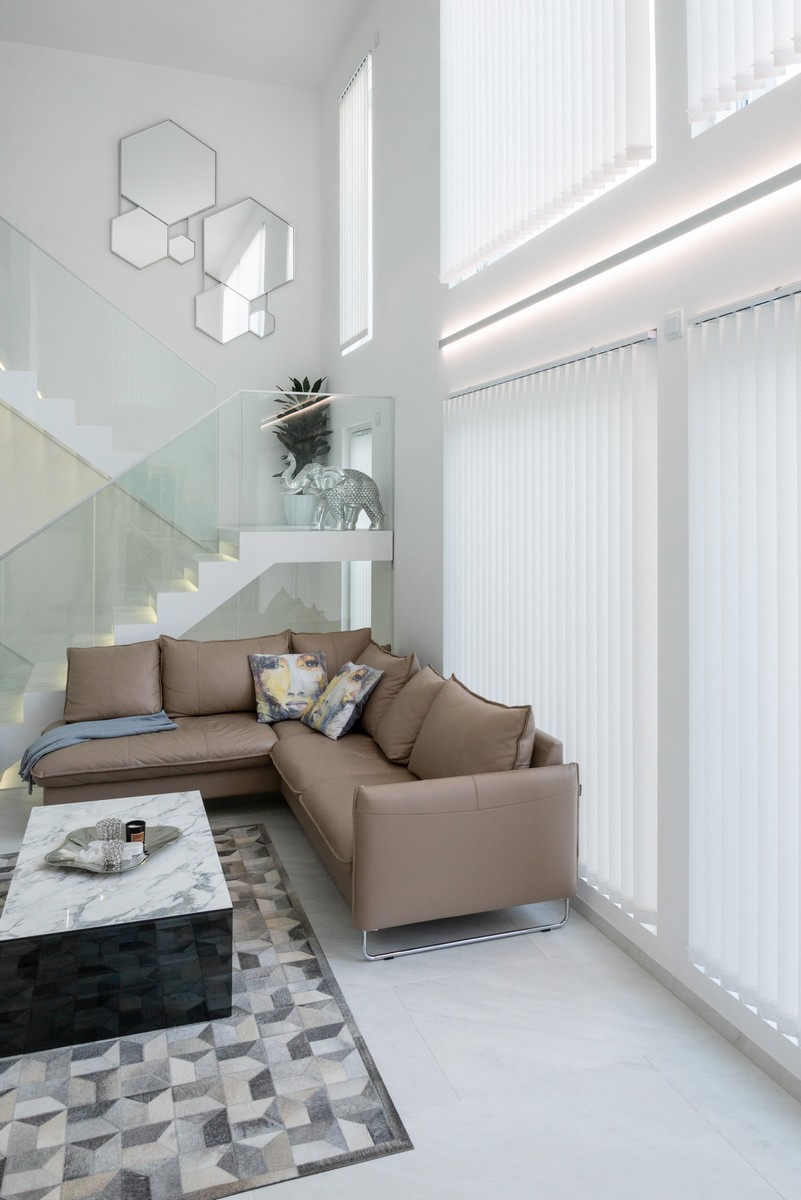
Light cove, dropped ceiling or surface profile. General light that does not dazzle from the sofa.
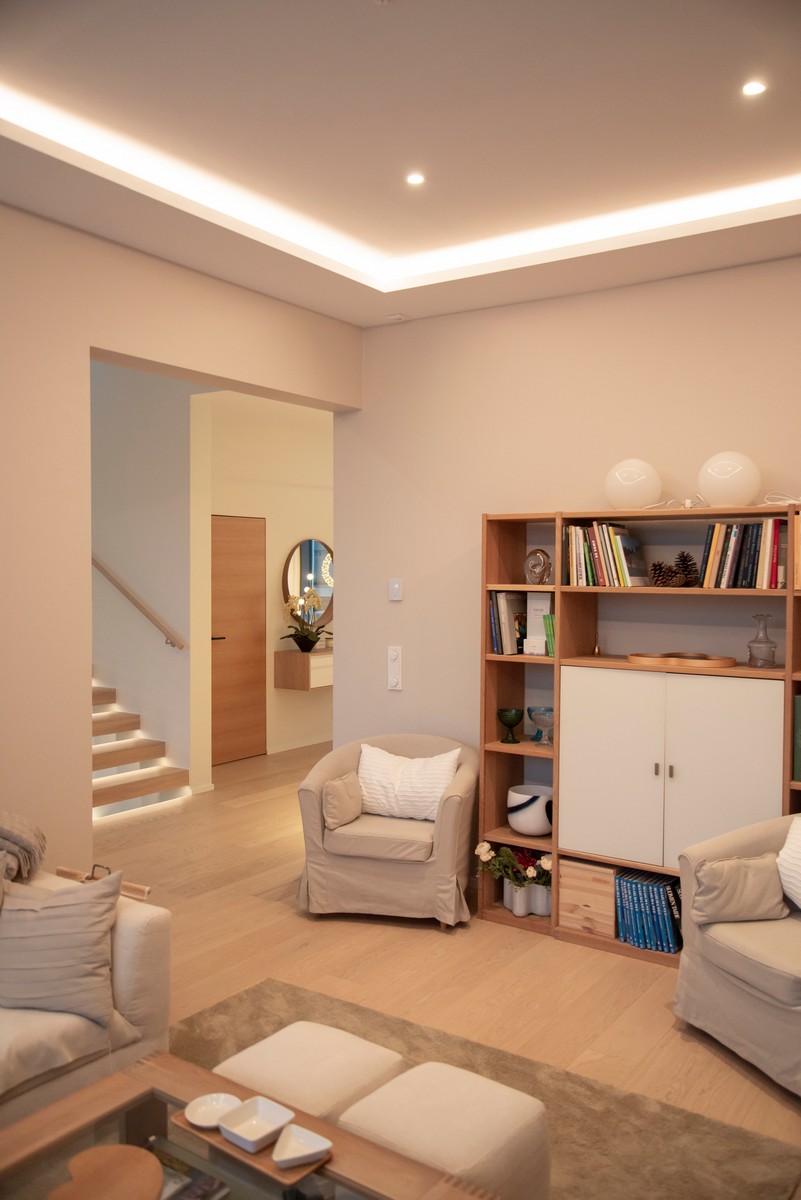
14.4 W/m · 2700-3000 K
Bedroom
Behind the headboard or at the ceiling edge. The only room where less is better.
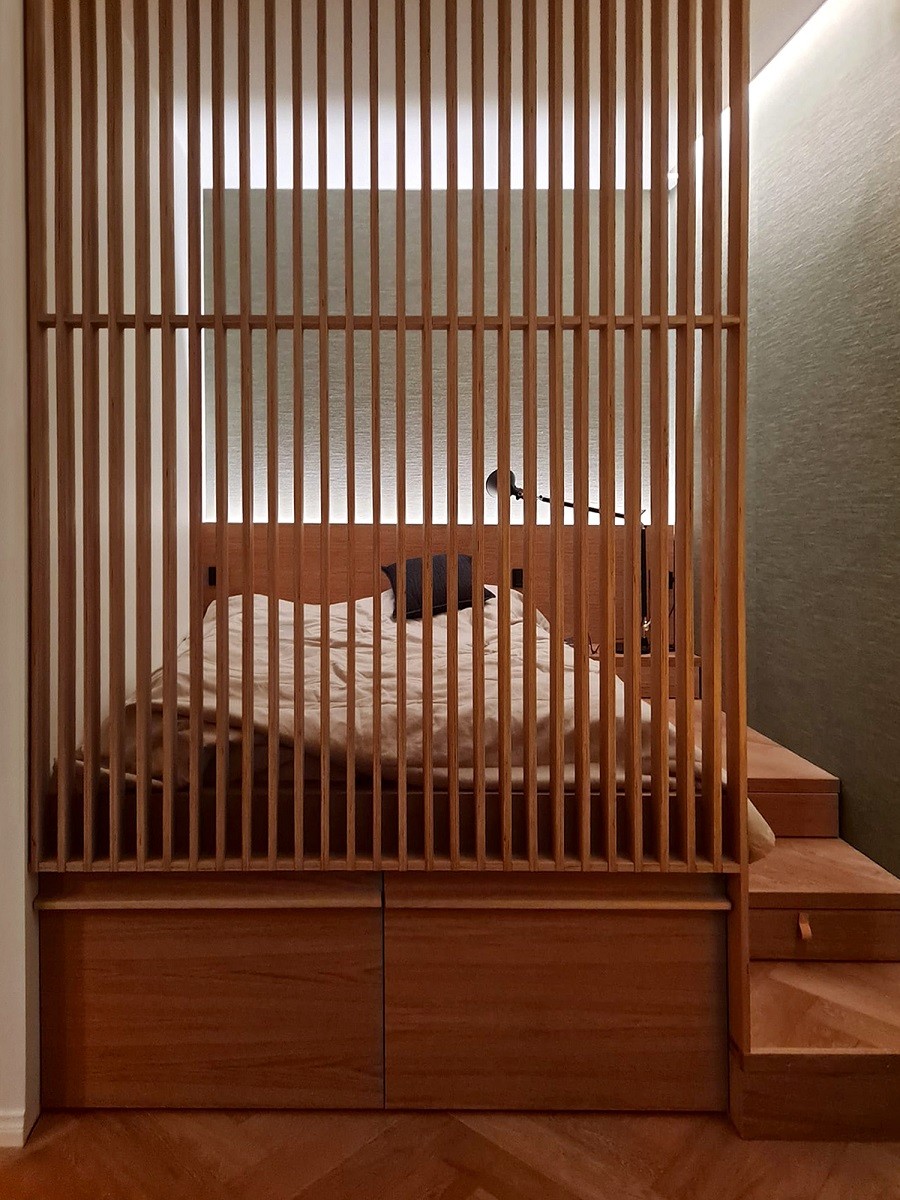
50-150 lx · 2700 K
Kitchen
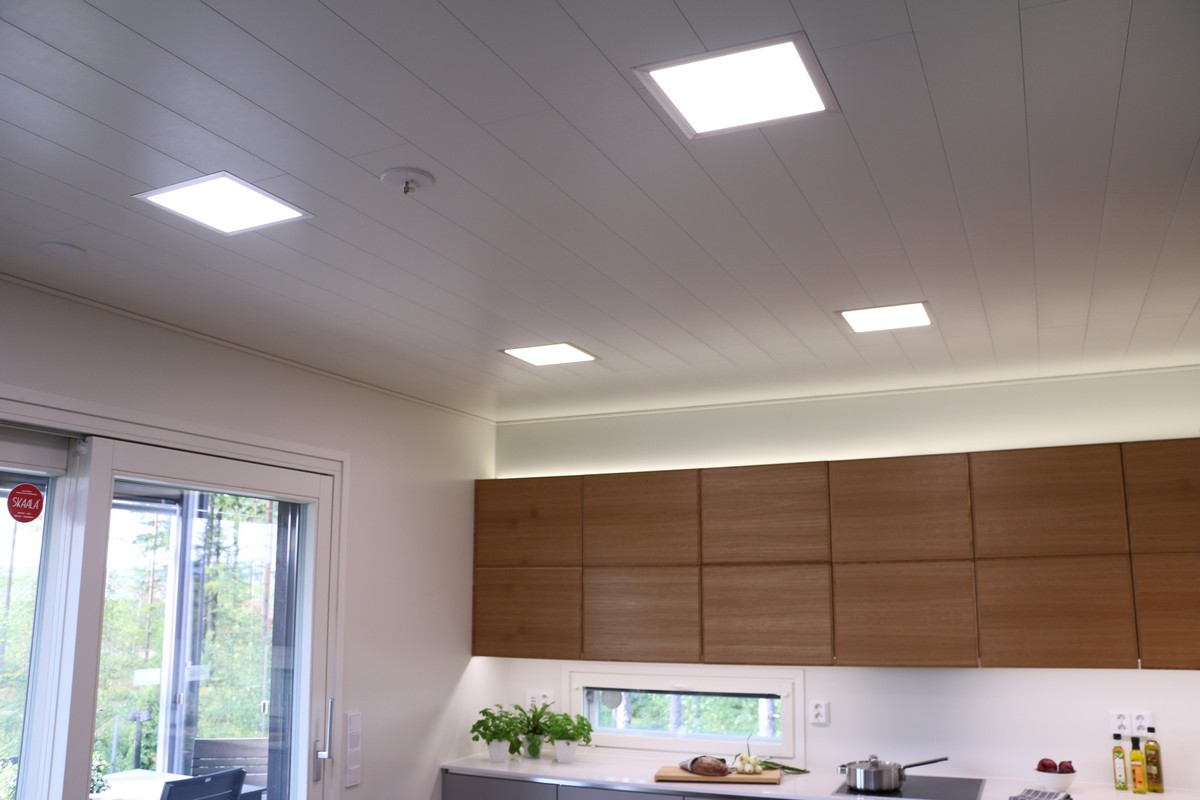
On top of the wall cabinets as general light, under them as task light, in the plinth as a night light.
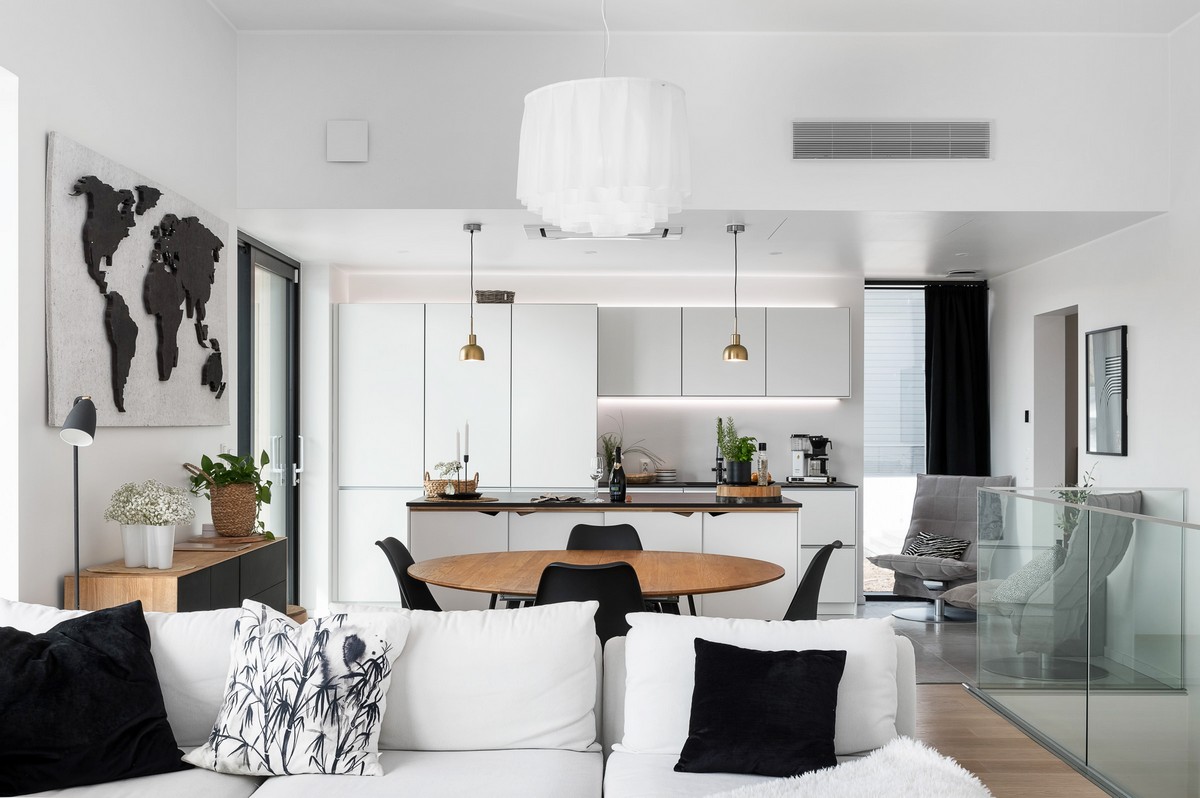
17 W/m · CRI 95+
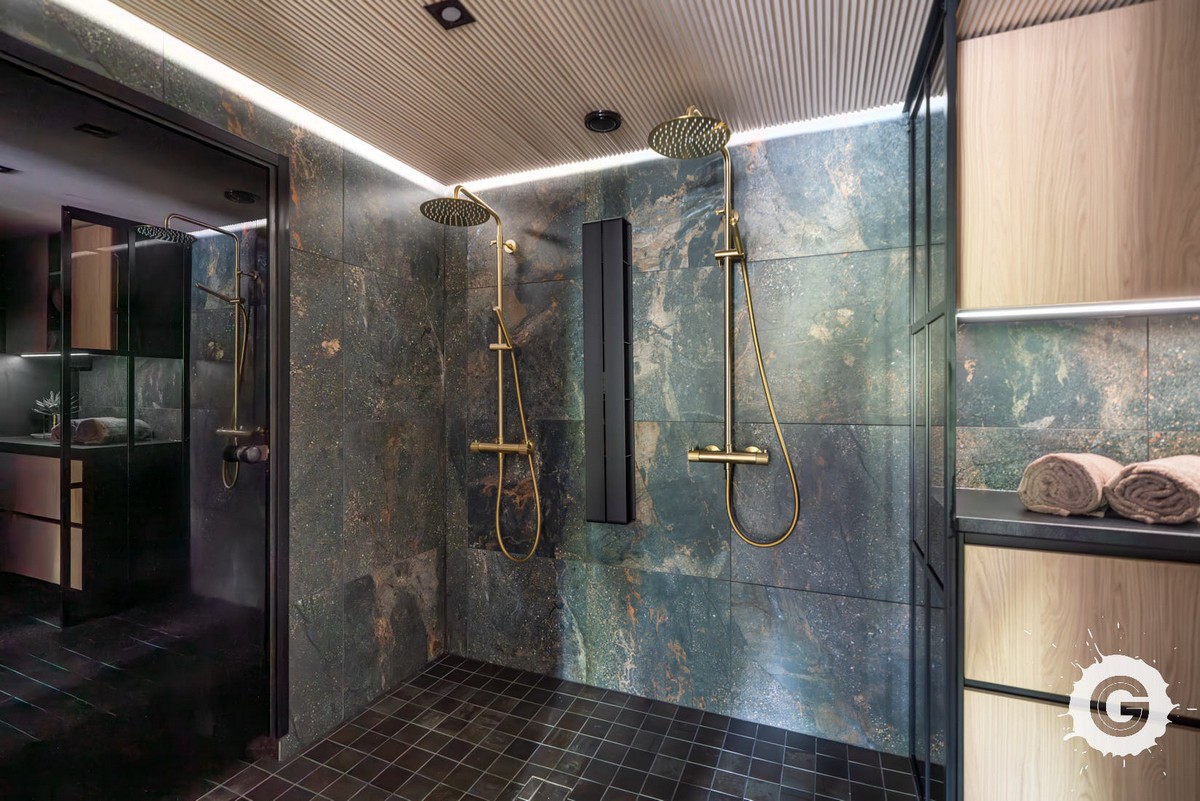
Hallway
A narrow space opens up when the light rises to the ceiling. A motion sensor saves effort.
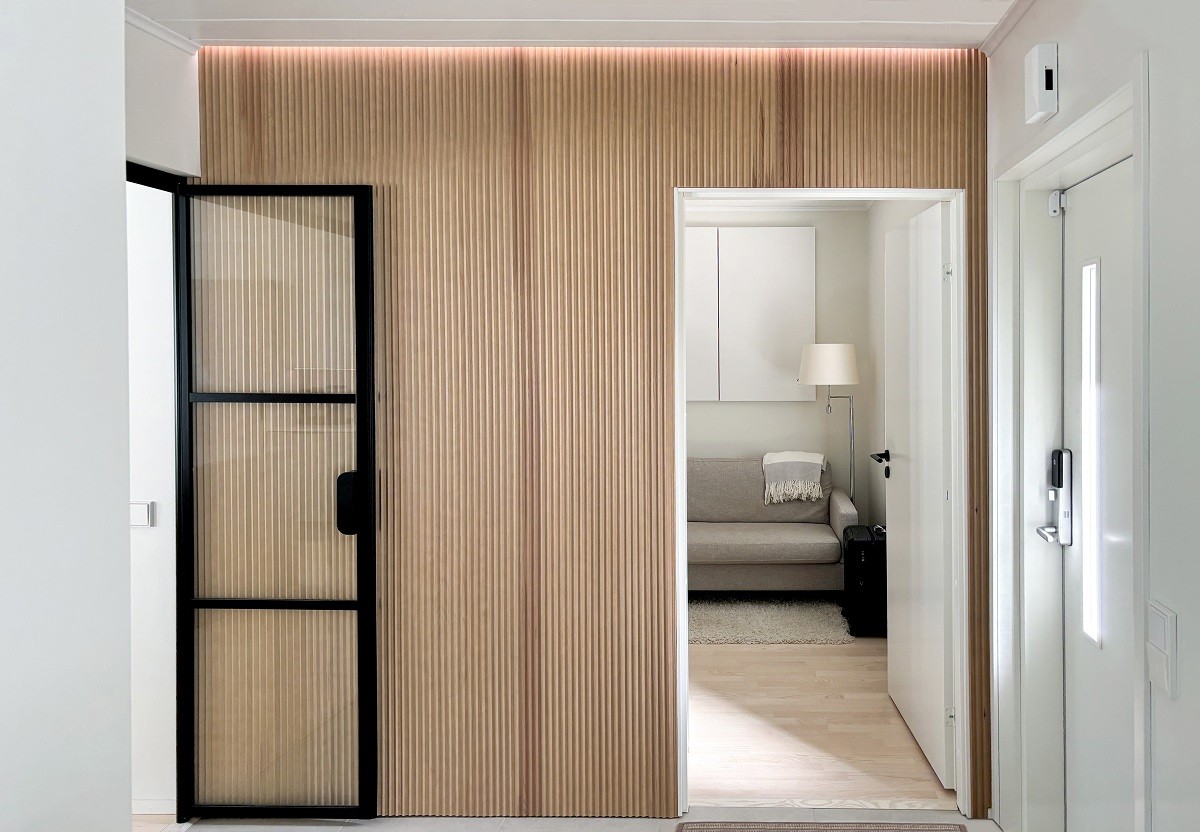
100-200 lx · 3000 K
Staircase
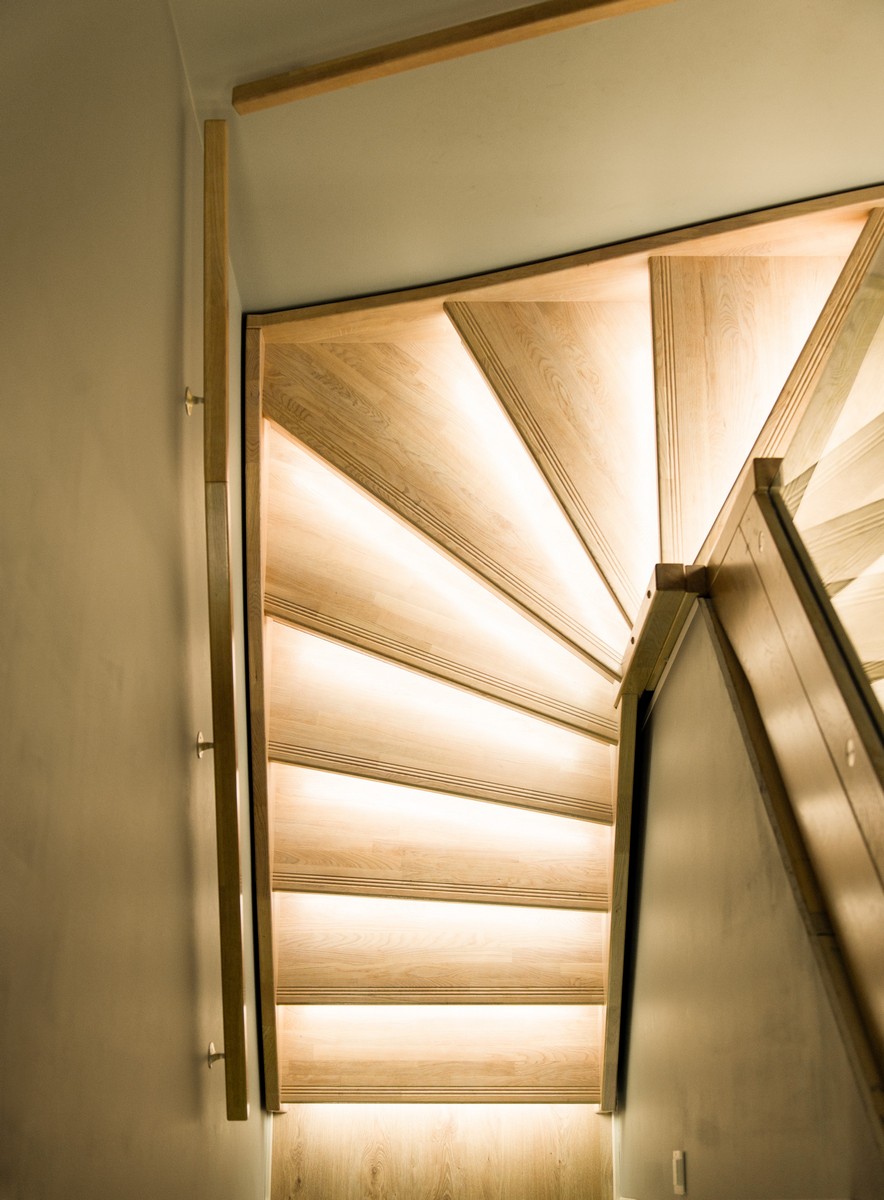
Under the step front edge, in the handrail or on the wall. Safety first.
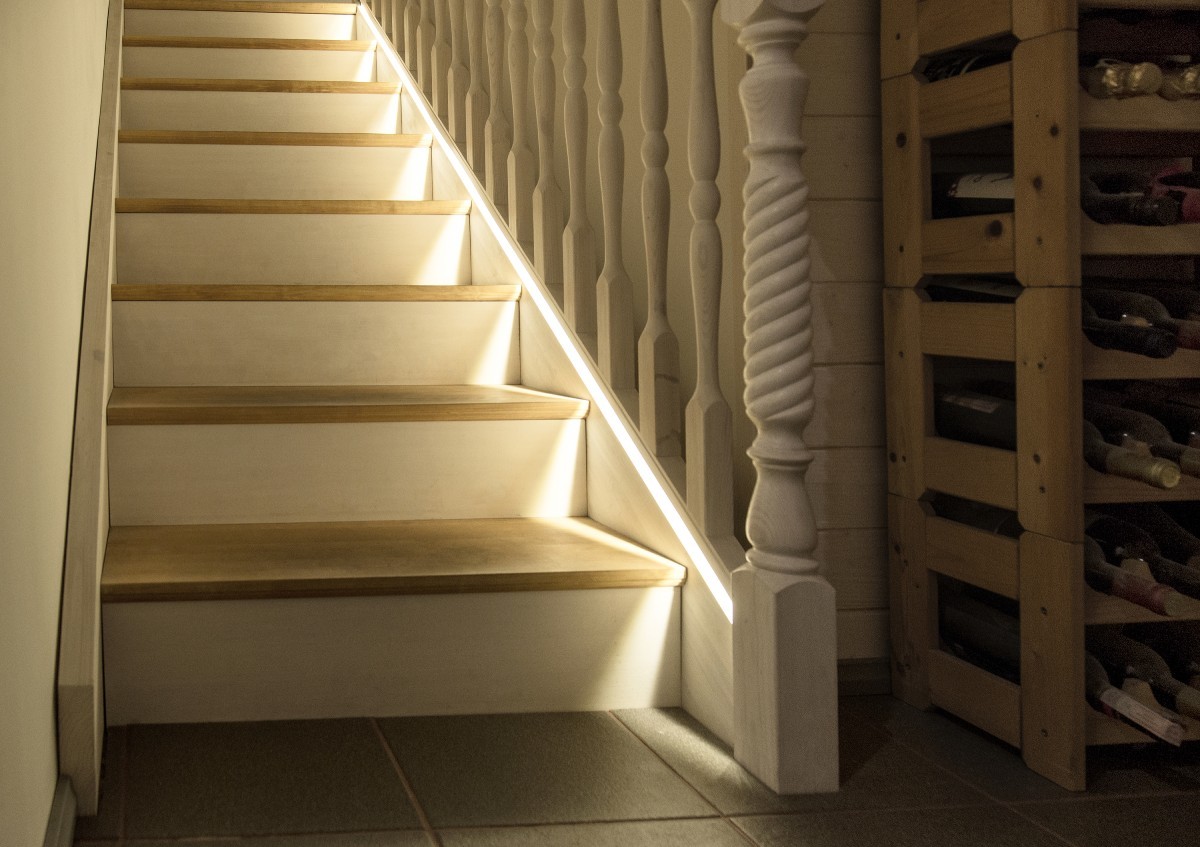
100 lx on the step
Furniture
Shelf, display cabinet, TV unit. A recessed profile is the only way to hide the strip in a thin board.
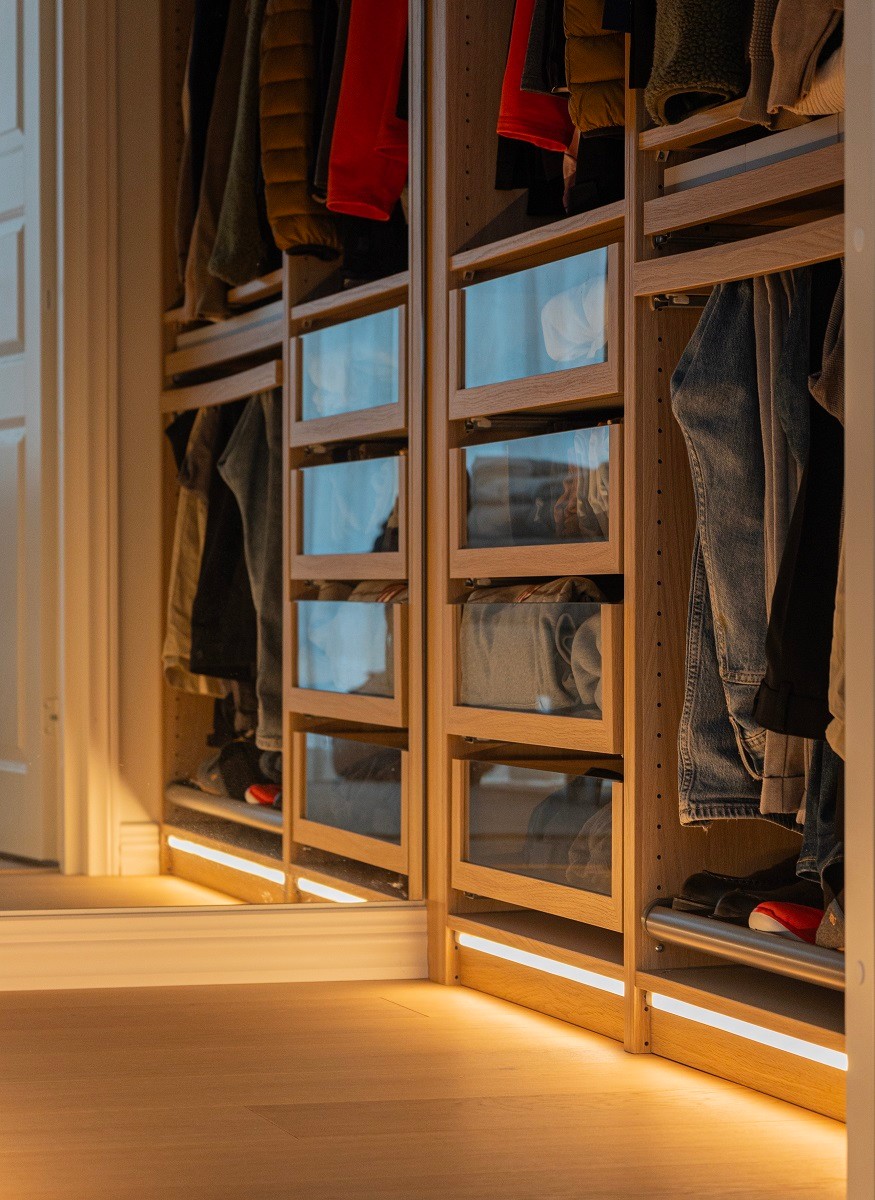
7.2 W/m · COB
Plinths
Strip behind the plinth, light onto the floor. The furniture looks as if it floats and works as a night light.
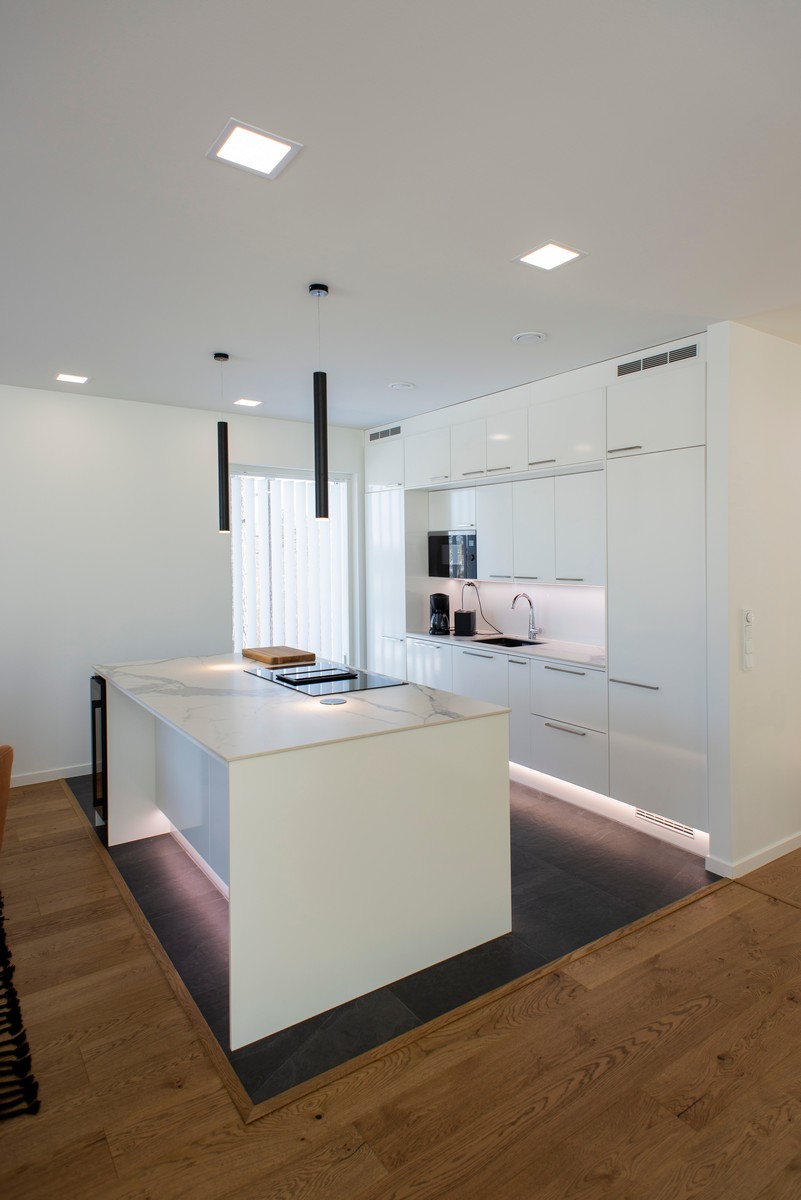
7.2 W/m · IP65
Utility room
Precise work: stains and colours must be visible. Neutral light plus worktop light.
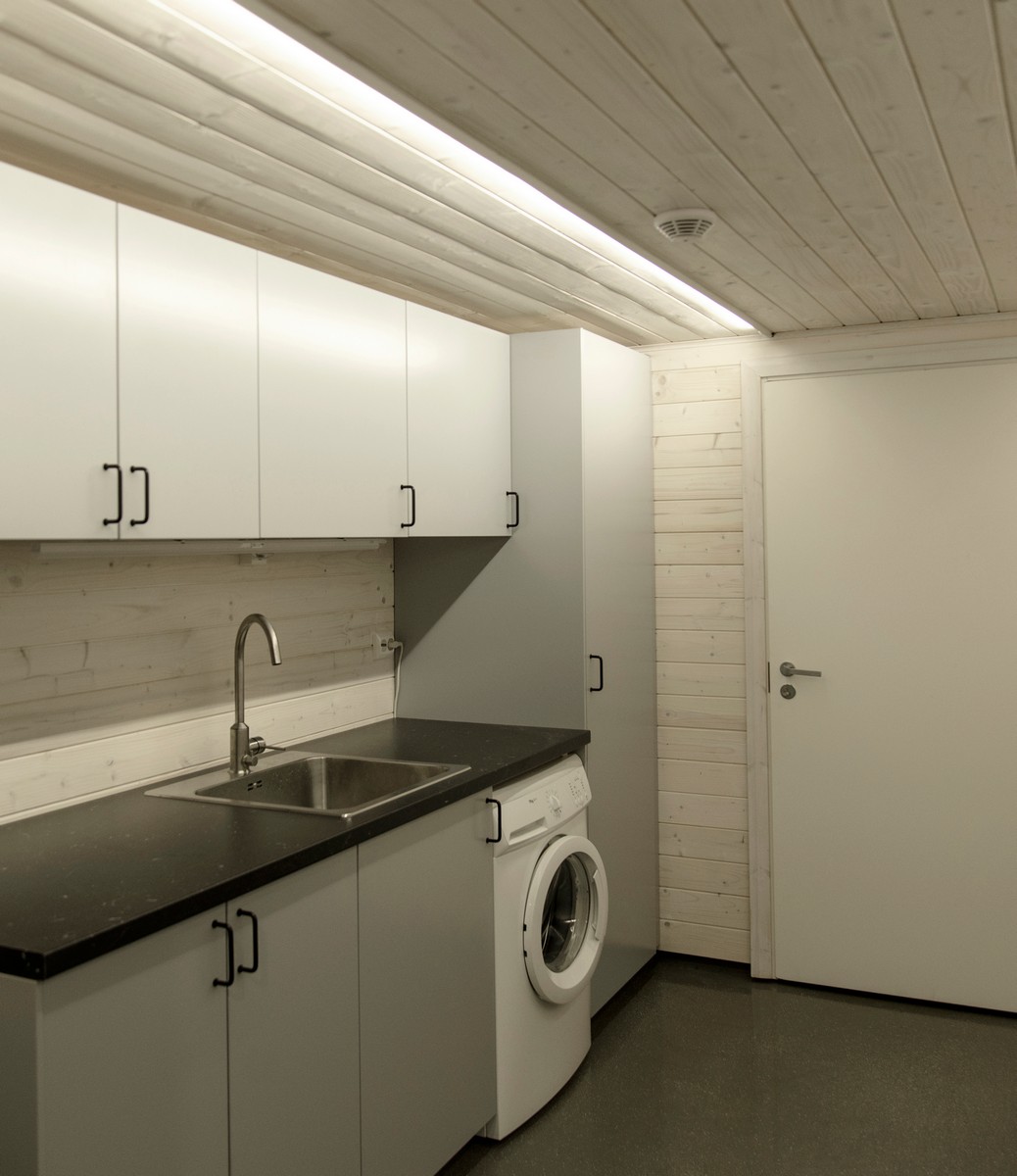
300-500 lx · 4000 K
Outdoor lighting
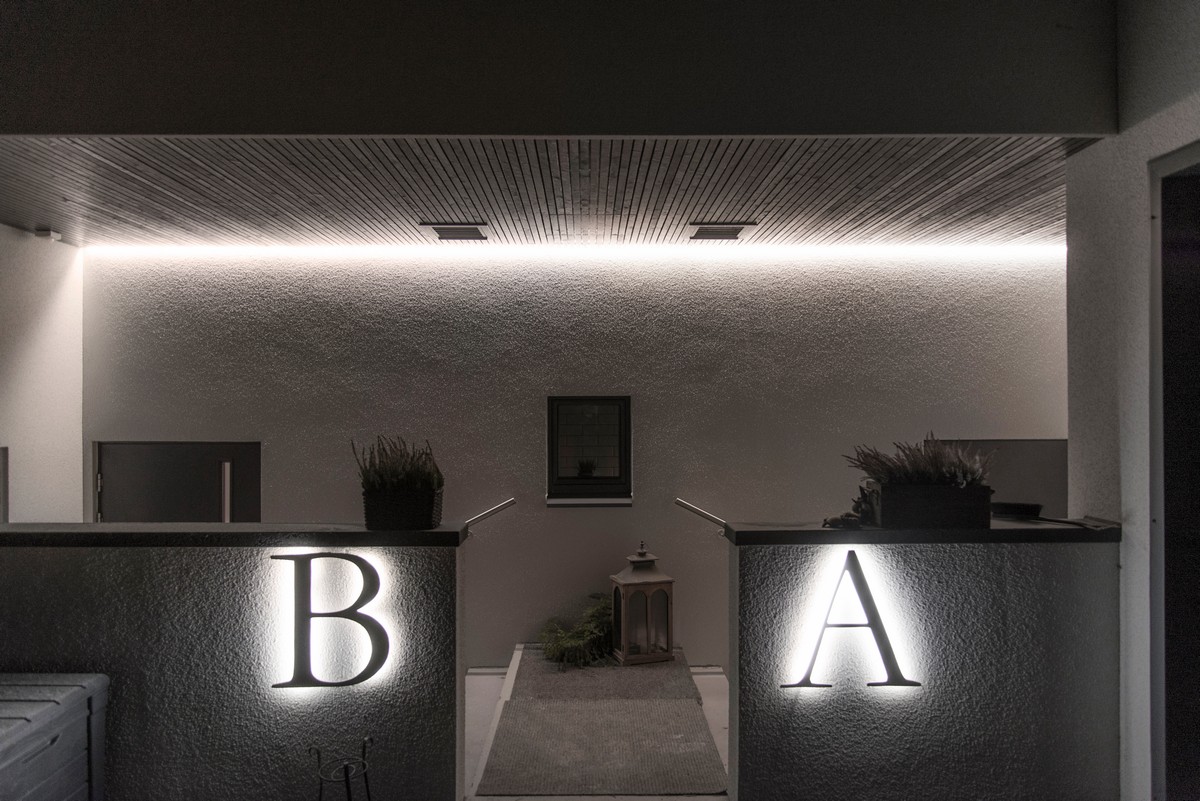
Facade, terrace, steps. The joints decide, not the strip – water always gets in at the end.
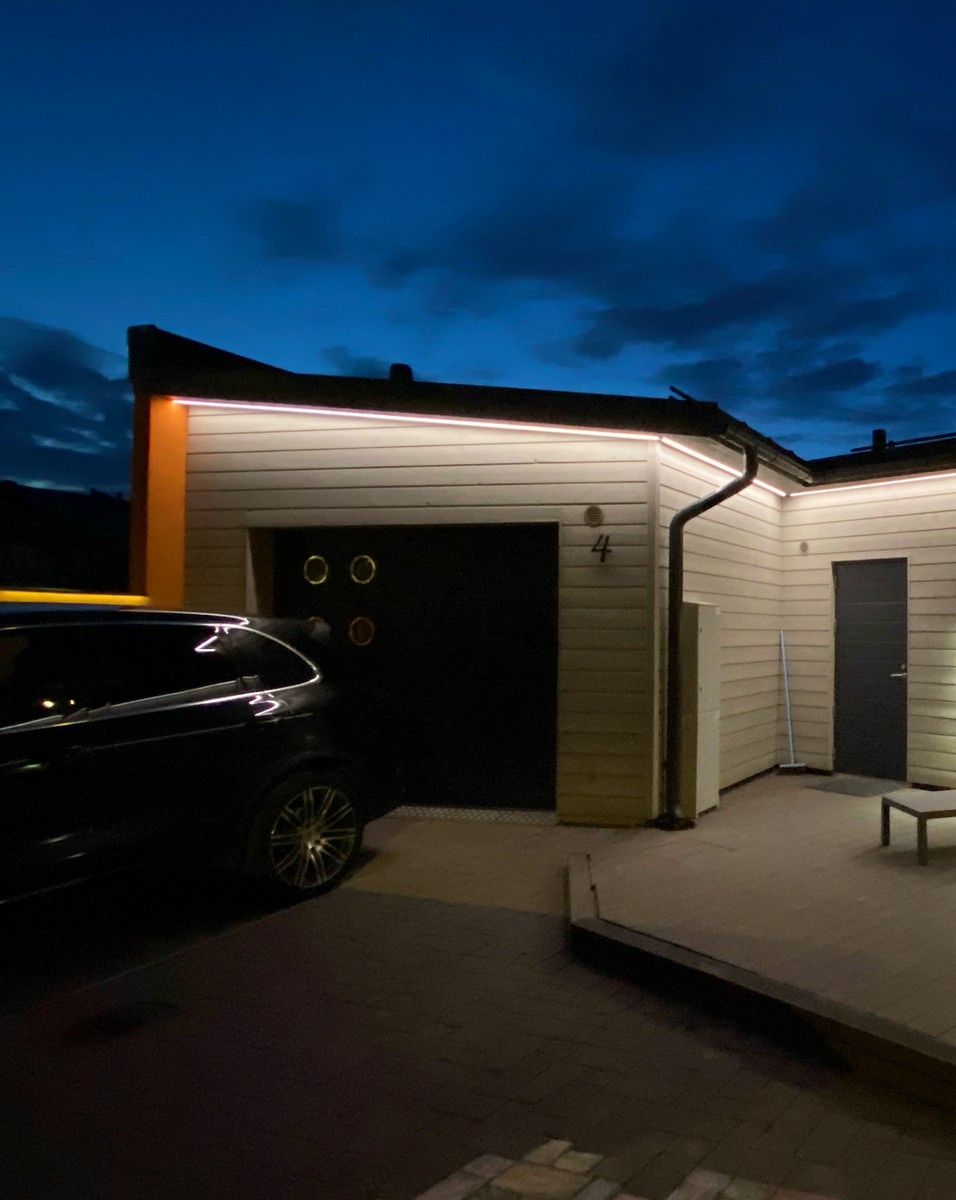
IP65-IP67
Public spaces and work
In workplaces and public spaces indirect light is the base level, not the only light. EN 12464-1 sets 500 lux for a workstation, and indirect light economically delivers 200-300 – the rest comes from accent light. Instead, indirect light’s greatest benefit is another: it removes screen reflections and makes the space calm.
Office
Removes screen reflections. A dropped ceiling edge or suspended profiles above the workstations.
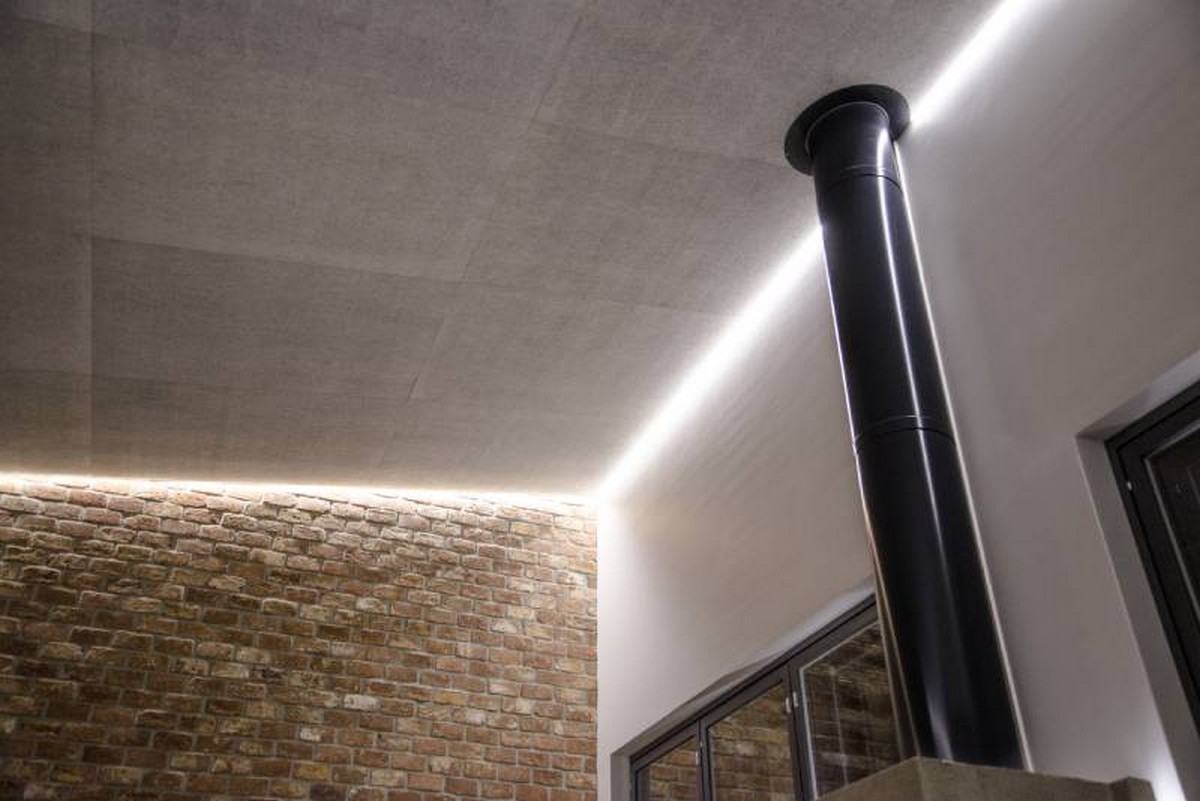
17 W/m · 4000 K
Meeting room
Faces are lit evenly from the front and sides – the decisive condition for video meetings.
300-500 lx · CRI 95+
Retail
An indirect base level and accent light for products. Contrast guides the eye.
300-500 lx · CRI 95-97
Restaurant
Lunch and dinner need different light. Dimming matters more than in any other space.
50-150 lx · 2700 K
Stairwell
In the handrail or on the landing walls. A common area where safety requirements apply.
100 lx · 7-year warranty
Sizing by room
Three figures decide a room’s choices: the illuminance needed, the resulting strip power for a light ceiling, and the colour temperature. A dark ceiling needs almost double the power.
| Room | Illuminance | Strip power | Colour temperature | Special notes |
|---|---|---|---|---|
| Living room | 150-250 lx | 14.4 W/m | 2700-3000 K | Dimming |
| Bedroom | 50-150 lx | 7.2-14.4 W/m | 2700 K | Test lying down |
| Kitchen | 300 lx · worktop 500 | 14.4-17 W/m | 3000-3500 K | Separate task light |
| Bathroom | 200-300 lx | 14.4 W/m | 3000 K or CCT | IP65, electrician |
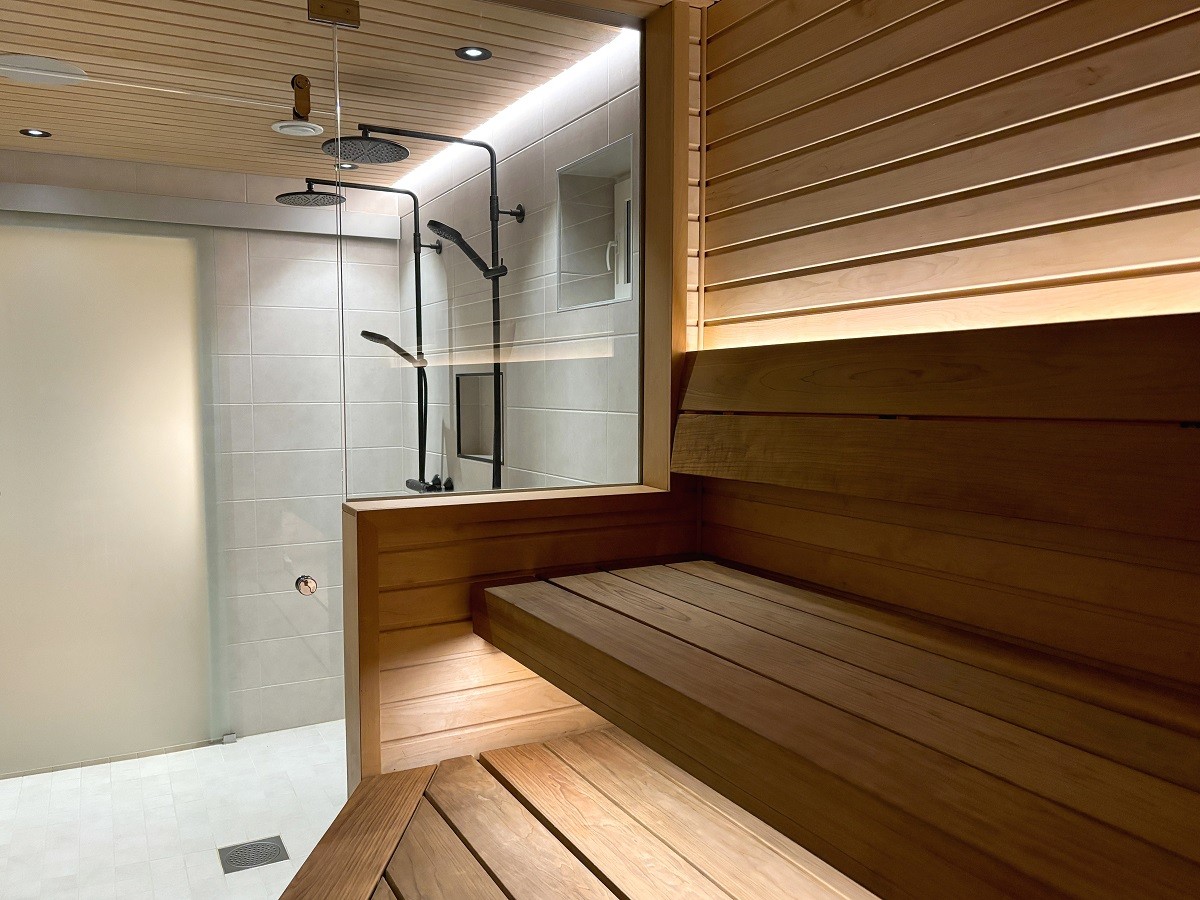
| Sauna | 20-50 lx | 3.6 W/m | 2700 K | IP65, below 60 °C |
| Hallway | 100-200 lx | 7.2-14.4 W/m | 3000 K | Motion sensor |
| Staircase | 100 lx | 7.2 W/m | 3000 K | Uniformity decides |
| Utility room | 300-500 lx | 17 W/m | 3500-4000 K | IP65 in the splash zone |
| Office | 500 lx workstation | 17 W/m | 4000 K | + task light |
| Retail | 300-500 lx | 17 W/m | 3000-4000 K | CRI 95-97 |
| Restaurant | 50-150 lx evening | 7.2-14.4 W/m | 2700 K | Dimming essential |
The figures are for a light ceiling. The sizing calculator takes the ceiling tone into account.
The same light, a different role
General light
Living room, bedroom, hallway. Indirect light is the room’s only or main light. Sizing 14.4 W/m for a light ceiling, with dimming.
Base level
Kitchen, utility room, office, shop. Indirect light gives an even base, but work and products need accent light on top. Two light levels are the rule here, not the exception.
Mood light
Sauna, plinths, staircase, restaurant in the evening. Indirect light is not general light but an accent. The power is low, 3.6-7.2 W/m, and the colour temperature warm.
Frequently asked questions
Which rooms is indirect lighting suitable for?
All of them, but the role changes. In living spaces it is general light, in workplaces a base level with task light on top, and in the sauna or plinth just mood light. The same structure does not work everywhere.
Where does indirect lighting work best?
In the living room and bedroom, where the aim is even, glare-free light. Also in a narrow hallway and corridor, because light rising to the ceiling opens up a cramped space.
Is indirect light enough as the only lighting?
In living spaces yes, in workplaces no. Indirect light loses about 75 % of the light to the ceiling surface, so 500 lux of task light would be economically absurd. Combine it with accent light.
How much light do different rooms need?
Bedroom 50-150 lx, living room 150-250 lx, kitchen general light 300 lx and worktop 500 lx, office 500 lx, stairs 100 lx. Indirect light in practice delivers 150-300 lx.
Can the same strip be used in every room?
It is not a good idea. The bathroom and sauna need IP65, furniture a narrow COB strip, the office a neutral 4000 K. The most common mistake is buying one strip type for the whole house.
Which colour temperature for which room?
Living spaces 2700-3000 K, kitchen and utility room 3000-4000 K, office 4000 K, sauna 2700 K or warmer. A CCT strip, i.e. tunable white, solves rooms whose role changes during the day.
Toteutettuja kohteita
Epäsuora valo olohuoneessa
Alaslasku, verhoprofiili, kattopalkki ja korkea tila – viisi tapaa toteuttaa olohuoneen epäsuora valo.
Kuvat: LedStore.fi toteutetuista kohteista.